
A Sterile Manufacturing Plant forms the backbone of modern aseptic pharmaceutical production. With rising regulatory expectations and increasing demand for contamination-free medicines, manufacturers rely on advanced sterile systems that ensure absolute control, consistency, and compliance. This guide provides a clear and concise overview of sterile plant design, process flow, and the role of technologies like Sterile Processing Skids and aseptic vessels in achieving world-class quality.
A Sterile Manufacturing Plant is the core of every aseptic pharmaceutical operation. With global demand for high-purity formulations and strict compliance norms, manufacturers rely on advanced sterile systems that guarantee consistency, safety, and regulatory alignment. This guide explores sterile plant design, workflow, and the role of systems like Sterile Processing Skids, sterile vessels, and integrated automation — engineered and delivered by Propack Technologies, a trusted sterile plant manufacturer.
1. What Is a Sterile Manufacturing Plant?
A sterile manufacturing plant is a purpose-built, contamination-controlled environment designed for aseptic processing of liquid injectables, ophthalmic solutions, and other high-purity formulations. These facilities integrate:
The result is a seamless, contamination-free process from raw material input to sterile transfer.
2. Core Components of a Modern Sterile Processing Plant
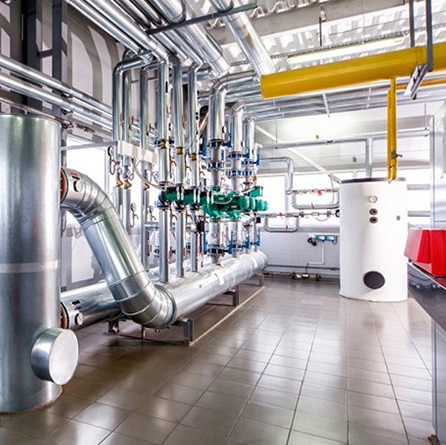
Sterile Processing Skid
A Sterile Processing Skid acts as a fully automated hub handling critical operations such as heating, mixing, cooling, filtration, and SIP. It offers significant advantages:
Skids are also modular, making them ideal for expansions and retrofit projects.
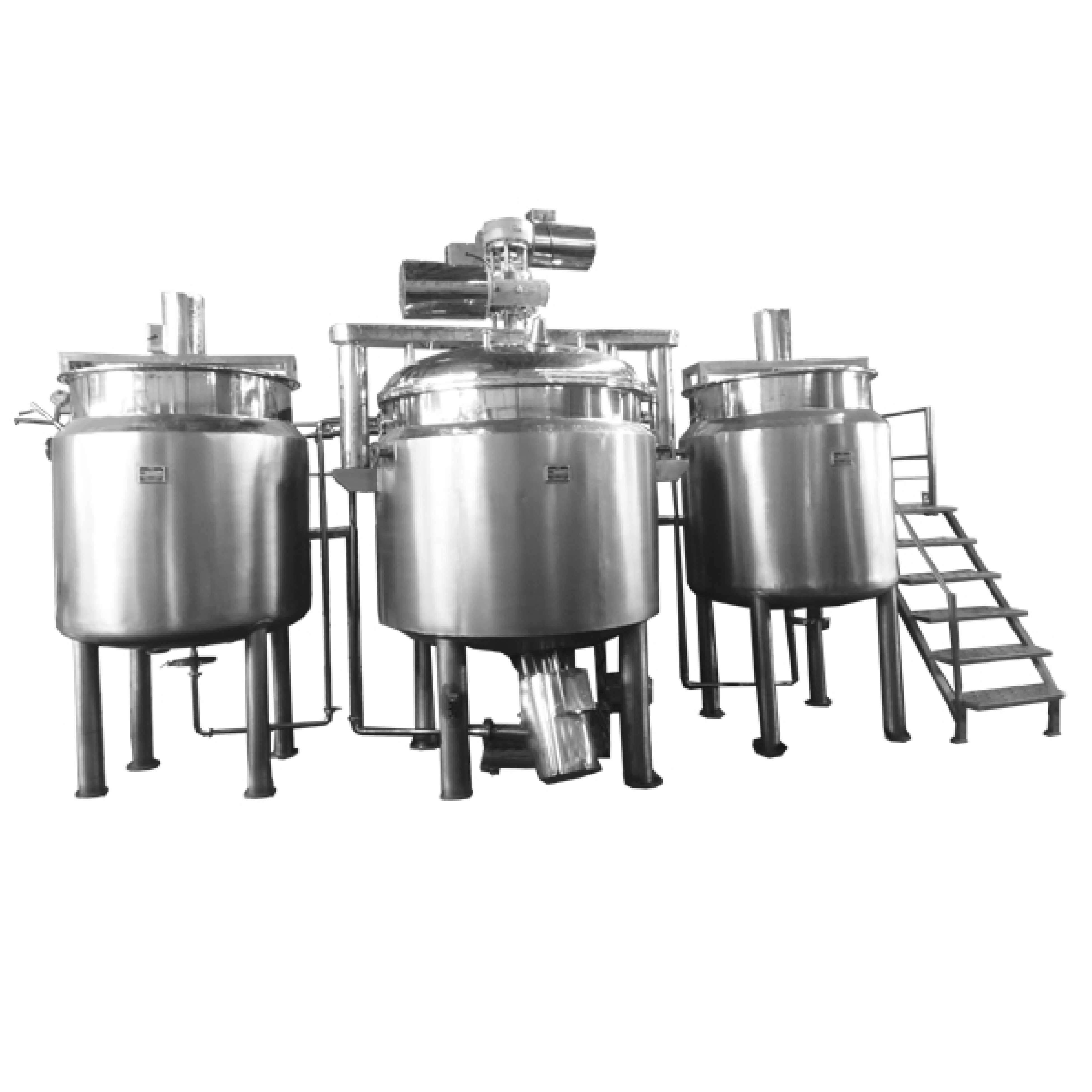
Sterile Vessels
As a sterile vessel manufacturer, the focus is on producing vessels engineered to pharmaceutical standards:
These vessels ensure consistent product quality and reliable sterile operations.
Critical Utilities
A sterile plant requires validated support utilities such as:
3. Process Workflow of a Sterile Manufacturing Plant
A well-designed sterile plant follows a structured, contamination-free flow:
1. Material Dispensing – Controlled and monitored dispensing in classified environments.2. Batch Processing – Automated systems carry out mixing, dilution, emulsification, and heating/cooling.
3. Filtration & Sterilization – Sterile filters and SIP ensure microbial safety.
4. Aseptic Transfer – Closed-loop transfer with hygienic valves and pipelines.
5. Filling Integration – Final transfer to aseptic filling machines under ISO-classified conditions.
4. Design Principles for High-Performance Sterile Plants
A reliable sterile plant manufacturer prioritizes:
These design choices improve batch reliability, uptime, and regulatory acceptance.
5. Regulatory Compliance in Sterile Manufacturing
A sterile processing plant must adhere to:
Meeting these standards ensures audit-ready operations and global market compatibility.
Conclusion
A Sterile Manufacturing Plant is a highly engineered ecosystem where equipment design, process control, and regulatory compliance come together to safeguard product quality. Choosing the right sterile plant manufacturer ensures reliability, long-term performance, and faster regulatory acceptance.
Whether you require a full sterile processing plant, an integrated Sterile Processing Skid, or a trusted sterile vessel manufacturer, investing in high-precision, compliant systems is essential for successful aseptic production.
Looking for a partner in sterile processing?
To learn more about our sterile manufacturing solutions — or to discuss a customized skid, vessel, or complete sterile plant — connect with our experts today. Our team will help you design a system that meets global standards and fits your production goals.